Water Flow Maintained Beneath Access Points
Culvert Installation in West Palm Beach for properties where driveways cross drainage swales, canals, or roadside ditches that must remain functional
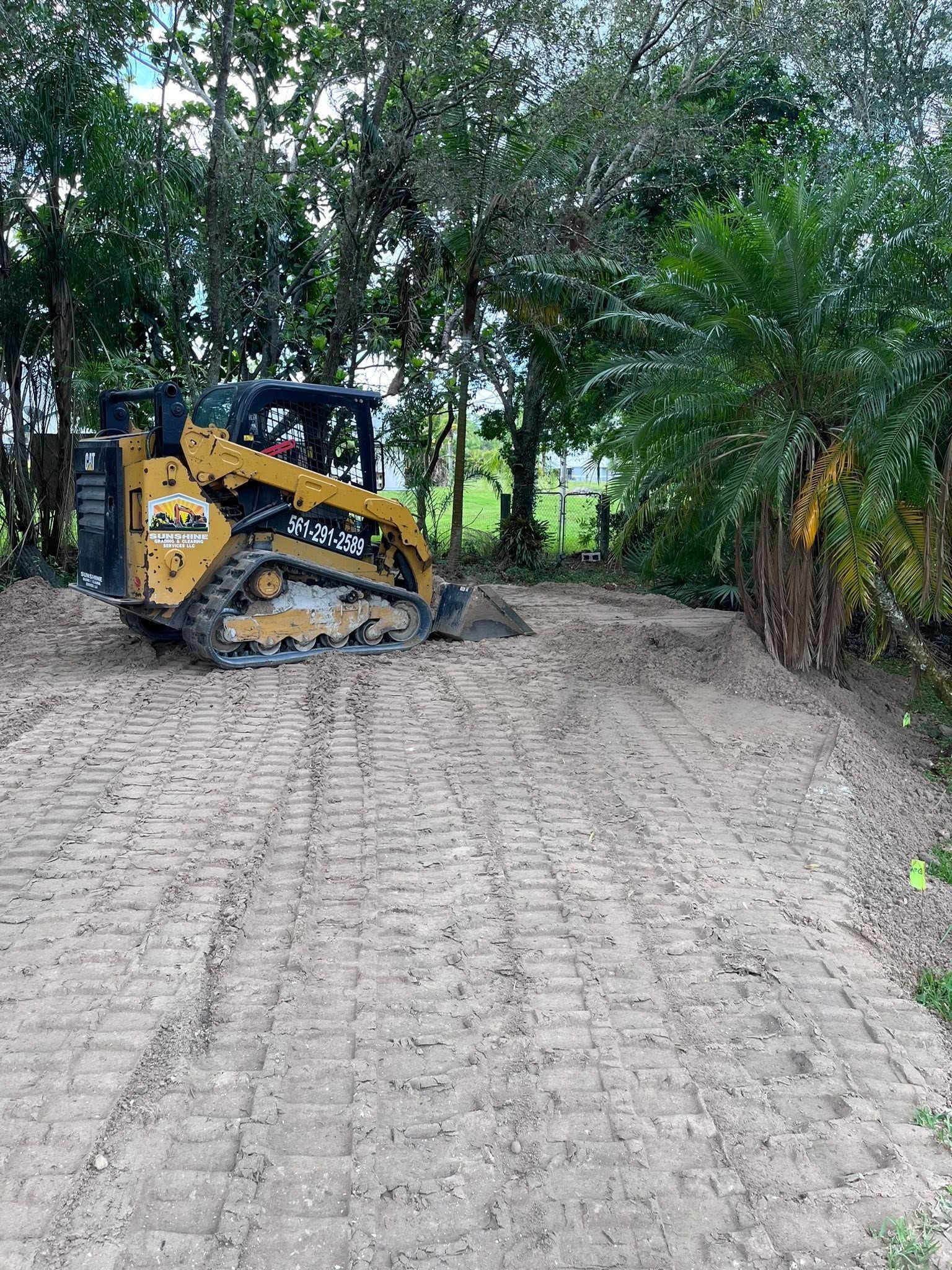
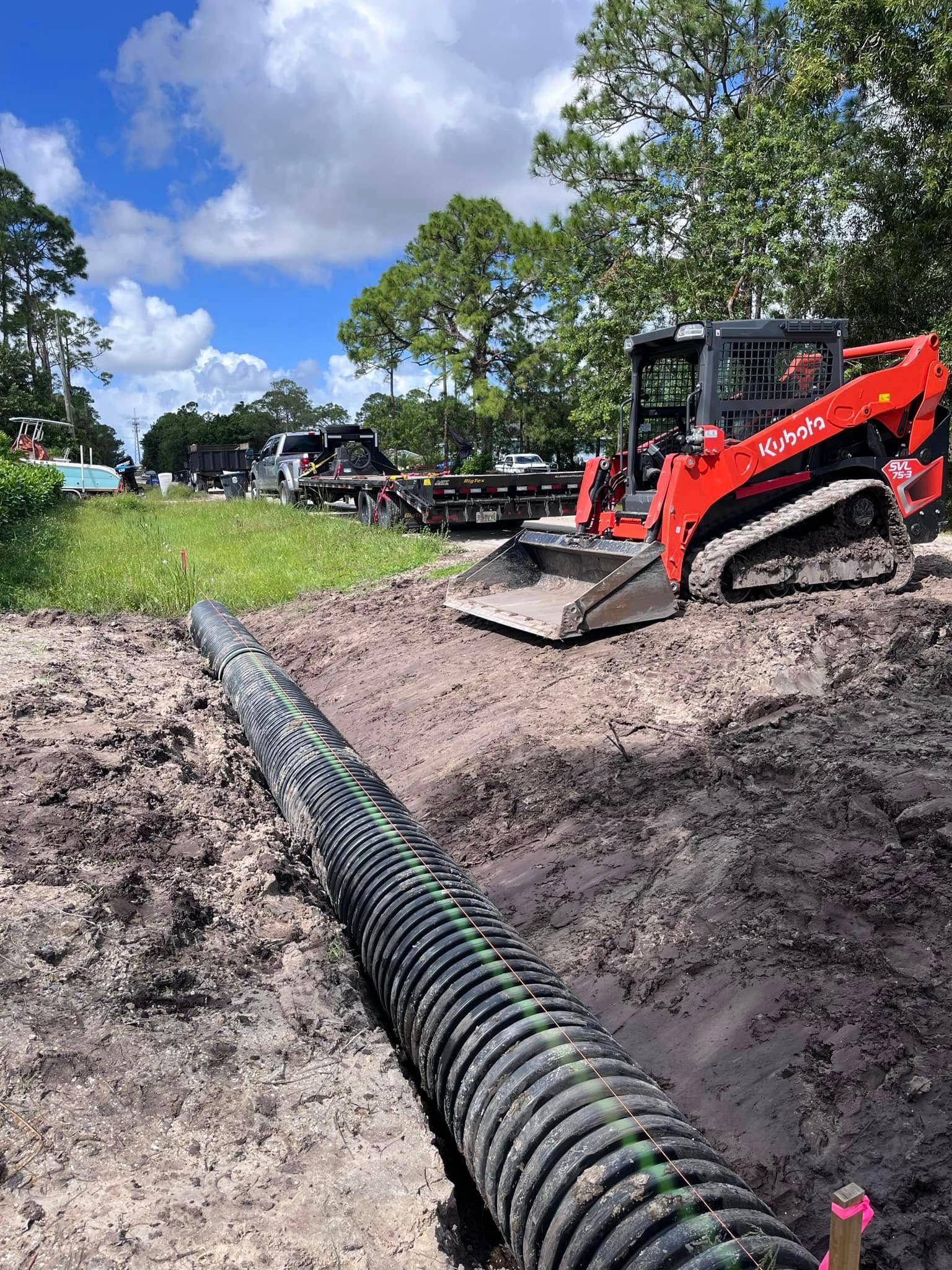
South Florida properties frequently border drainage canals, roadside swales, and shallow ditches that carry stormwater away from roads and residential areas during the region's intense summer rainfall. When your driveway or access road must cross one of these water conveyance features, a culvert allows vehicle passage while preserving the drainage system's ability to move water downstream without obstruction. Sunshine Grading & Clearing Services installs culverts by preparing the crossing area, positioning the pipe to maintain proper flow direction and elevation, and completing the surrounding dirt work so the driveway surface sits stable above the culvert while water continues flowing beneath it during storms.
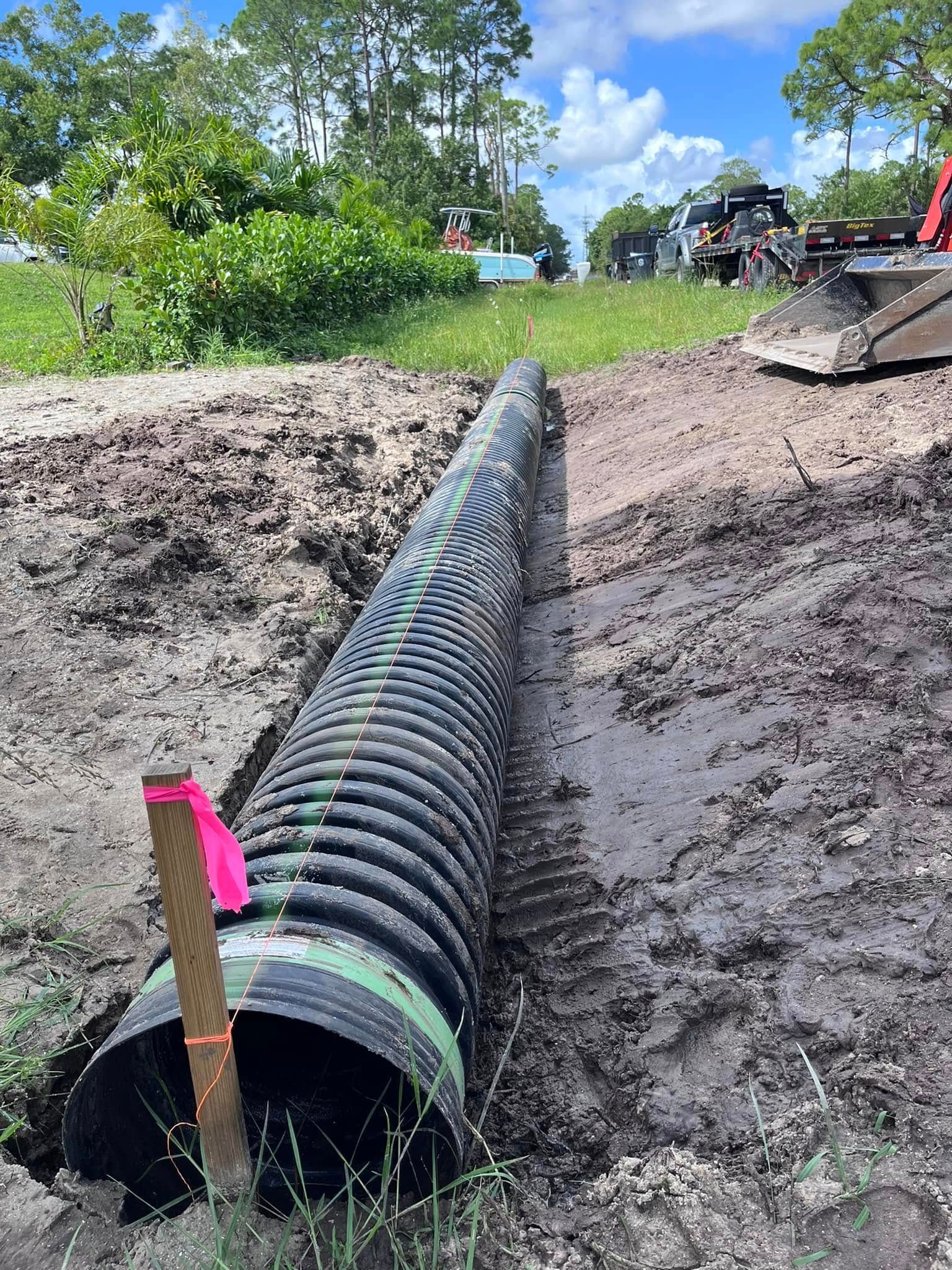
Installation involves excavating the swale or ditch to the depth and width required for the culvert pipe, setting the pipe on a stable base at the correct slope, backfilling around and over the pipe with compacted material, and shaping the driveway surface so it bridges the drainage feature without restricting water flow. Palm Beach County's network of interconnected swales and canals means culverts must be sized and positioned to handle seasonal flow volumes without creating upstream flooding or downstream bottlenecks.
Schedule a site evaluation to determine culvert size, placement, and installation requirements for your property access.
How Culvert Installation Addresses Water Passage
Culvert installation creates a controlled path for water to flow beneath driveways and access points where blocking the drainage feature would cause flooding or violate stormwater regulations. The culvert pipe is positioned at the same grade and alignment as the existing swale or ditch, then buried under fill material that supports vehicle weight while leaving the pipe interior open for water passage.
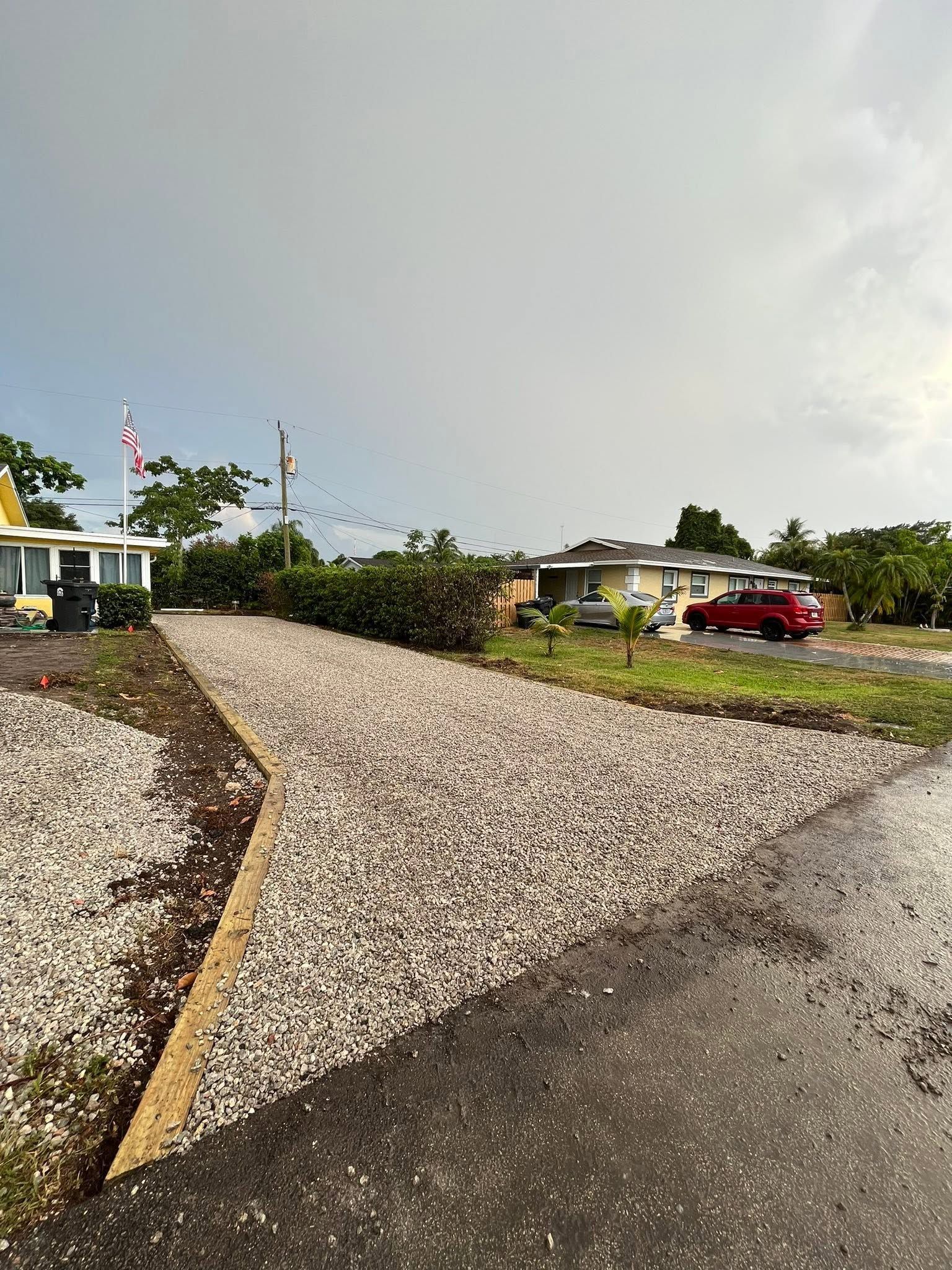
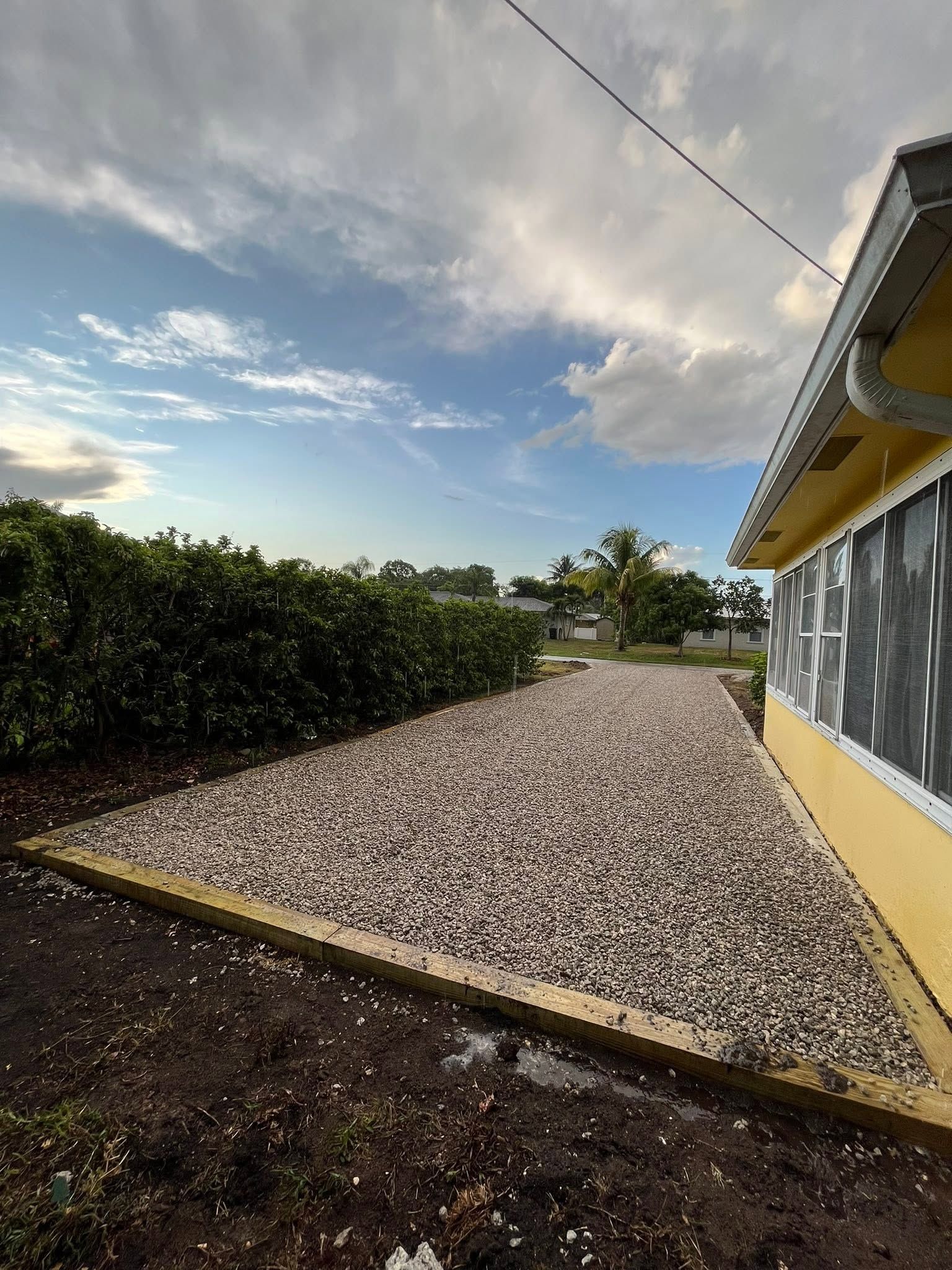
Once installation finishes, vehicles cross the drainage feature on a solid, stable driveway surface while stormwater continues flowing through the culvert pipe beneath the fill without backing up or eroding the crossing area. The drainage system functions as designed, upstream water reaches downstream outlets during heavy rain, and your property access remains usable without creating flooding problems for neighboring properties or public right-of-way.
Culvert sizing depends on the drainage feature's width, depth, and expected flow volume during peak storm events, with larger pipes required for wider swales or areas with higher runoff rates. Local regulations may specify minimum pipe diameter, material type, and installation standards to maintain overall drainage system performance.
Questions Before Starting Your Project
Property owners planning driveway construction or access improvements across drainage features ask specific questions about culvert work.
What size culvert pipe is required for a residential driveway crossing?
Pipe diameter depends on the swale width and flow volume, with typical residential installations using 15-inch to 24-inch diameter culverts for standard roadside ditches, while wider canals or higher-flow areas require larger pipe or multiple parallel culverts.
How is the culvert positioned to maintain proper water flow in West Palm Beach's flat terrain?
The pipe is installed at the same slope as the existing drainage feature, using laser levels or string lines to ensure water continues flowing downstream without ponding at the culvert entrance or experiencing turbulence that causes erosion.
What material is used for culvert pipes in this area?
Corrugated plastic or metal pipes are common for residential installations due to durability and ease of handling, with material selection based on load requirements, soil conditions, and expected service life.
When do permits or approvals become necessary for culvert installation?
Work within public right-of-way, alterations to drainage systems managed by municipalities or HOAs, and installations affecting wetlands or regulated water bodies typically require permits before culvert installation begins.
How is soil compacted around and over the culvert?
Fill material is placed in layers on both sides of the pipe and over the top, with each layer compacted using heavy equipment or compaction machinery to prevent settling that would create dips or voids in the finished driveway surface.
Sunshine Grading & Clearing Services handles site preparation, culvert positioning, and backfill compaction to complete functional driveway crossings. Request a free estimate to discuss your property's specific drainage and access requirements.